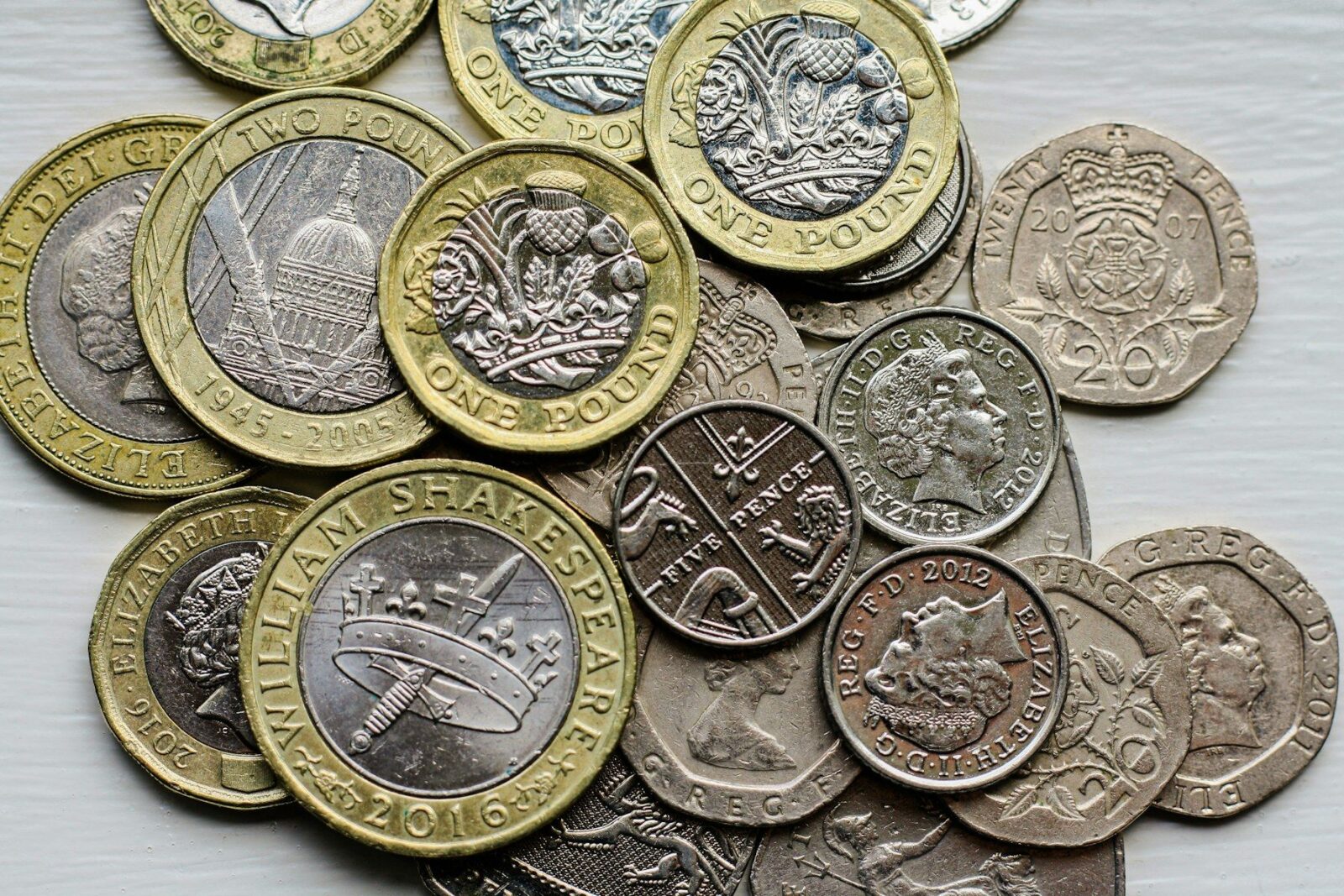
paid into cash ISAs in 2024 to 2025, against £37.2bn into stocks and shares ISAs
HM Revenue & Customs, Annual Savings Statistics, 16 September 2026How we count
Savers put £95.6bn into cash ISAs in 2024 to 2025, more than two and a half times the £37.2bn that went into stocks and shares ISAs. From 6 April 2027 under-65s can put only £12,000 a year into cash.
By TID Editorial Desk · · 10 min read
Sources: legislation.gov.uk (HM Treasury), Made 10 September 2026, laid 14 September 2026, in force 6 April 2027; HM Revenue & Customs, 24 June 2026, updated 17 July 2026
Compound interest is interest earned on interest, and it works for savers, against borrowers and in reverse through charges and inflation. For illustration, £10,000 at 5% a year compounds to about £43,219 over 30 years, against £25,000 with simple interest. CPI inflation was 3.5% in September 2026.
90 days: the minimum notice the FCA wants investors to give before selling out of property and other illiquid retail funds, which could pay out no more than monthly. The proposals in CP26/35 would affect 17 funds holding about £7.22bn.
Seven asset classes, seven sentences, every figure sourced
01Bonds & Cash
The Bank of England held Bank Rate at 3.75% on 17 September 2026 by six votes to three, with three members backing a rise to 4% and the next decision due on 5 November 2026.
The FCA proposed on 8 October 2026 that 17 illiquid retail funds holding about £7.22bn require at least 90 days' notice for redemptions; its consultation closes on 11 December 2026.
Crypto firms have until 28 February 2027 to apply for FCA authorisation, in a window that opened on 30 September 2026, before the regime starts on 25 October 2027.
Basic rate taxpayers can receive £1,000 of interest a year tax-free and higher rate taxpayers £500, with up to £5,000 more at 0% for people on low incomes. Budget 2026 kept those allowances but raised tax on savings interest above them to 24%, 44% and 49% from 6 April 2027.
One desk for every asset class, in the same order on every page.
Bonds & Cash
What lending your money pays after tax: gilts, corporate and retail bonds, bond funds, cash savings and money market funds, set against interest rates and inflation. This desk also covers where cash ends and investing begins.
Basic rate taxpayers can receive £1,000 of interest a year tax-free and higher rate taxpayers £500, with up to £5,000 more at 0% for people on low incomes. Budget 2026 kept those allowances but raised tax on savings interest above them to 24%, 44% and 49% from 6 April 2027.
The vehicles most UK investors hold: index funds, ETFs, active funds and investment trusts, explained by what they own, how they work and what they cost. We compare funds and report flows; we do not pick funds for you.
Investment trusts are listed companies that own a portfolio, so their shares can trade below or above the value of the assets. The AIC says the average discount narrowed from 12.3% to 11.6% over the first six months of 2026. Here is how discounts, gearing, dividends and costs work.
Owning companies, explained and measured: UK, US, Indian and global shares, dividends, smaller companies and how to read a set of results. Education and data only, with no share tips or price targets.
Dividends above a £500 allowance are taxed at 10.75%, 35.75% or 39.35% in 2026 to 2027, depending on your band. Budget 2026 left those rates unchanged for 2027 to 2028, while tax on savings interest rises to 24%, 44% and 49% from April 2027.
What property pays after tax and costs: buy-to-let and landlord tax, REITs, commercial property, property funds and house price data. Crowdfunding and loan notes are covered risks first.
From 6 April 2027, individual landlords in England, Wales and Northern Ireland pay income tax on rental profit at 22%, 42% or 47%, two points above the rates on earnings. Mortgage interest relief rises to 22% at the same time, so for most the extra cost is 2% of profit after interest.
Gold, silver, platinum, oil and other commodities: how UK investors can own them, what each route costs and how gains are taxed. We report prices with their source and date, not predictions.
US$4.4bn: what UK-listed gold ETFs took in during August 2026, their second-largest month on record. September added US$2.2bn, making July to September the UK's strongest quarter on record.
Assets that do not trade every day, and who can buy them: LTAFs, PISCES, VCTs, EIS and SEIS, private equity, private credit and venture investing. Every piece sets out liquidity and investor protection alongside any tax relief.
90 days: the minimum notice the FCA wants investors to give before selling out of property and other illiquid retail funds, which could pay out no more than monthly. The proposals in CP26/35 would affect 17 funds holding about £7.22bn.
The edge of the portfolio: infrastructure and renewables, digital assets, passion assets such as wine and whisky, and structured products, always measured net of costs. Scam Watch records public enforcement cases.
28 February 2027: the deadline for crypto firms to apply for FCA authorisation, in a window that opened on 30 September 2026. The full regime starts on 25 October 2027, bringing Financial Ombudsman access but no FSCS cover.
£276m was raised under SEIS in 2024 to 2025, up 14% on the year before, according to HMRC statistics published on 21 May 2026. Growth has slowed since the April 2023 expansion, and the latest two years of figures are provisional.
From 6 April 2027, individual landlords in England, Wales and Northern Ireland pay income tax on rental profit at 22%, 42% or 47%, two points above the rates on earnings. Mortgage interest relief rises to 22% at the same time, so for most the extra cost is 2% of profit after interest.
A UK REIT is a listed property company that pays no UK tax on its rental profits and gains as long as it pays out 90% of those profits. You get property income without being a landlord, but the share price can sit well below the value of the buildings.
Property investment in the UK comes in four main forms, from a buy-to-let flat to listed REIT shares, and what separates them is mostly costs, tax and how quickly you can sell. From 6 April 2027 individual landlords in England, Wales and Northern Ireland pay new property income rates of 22%, 42% and 47%.
· 7 min read
Gold, alternatives and Scam Watch
Real assets, the edge of the portfolio, and the scams
US$4.4bn: what UK-listed gold ETFs took in during August 2026, their second-largest month on record. September added US$2.2bn, making July to September the UK's strongest quarter on record.
28 February 2027: the deadline for crypto firms to apply for FCA authorisation, in a window that opened on 30 September 2026. The full regime starts on 25 October 2027, bringing Financial Ombudsman access but no FSCS cover.