Gold, silver, platinum, oil and other commodities: how UK investors can own them, what each route costs and how gains are taxed. We report prices with their source and date, not predictions.
Oil ETFs and ETCs track crude through futures, not barrels, so returns depend on the roll and on collateral interest as well as the oil price. The EIA's WTI spot price was minus US$36.98 on 20 April 2020; in 2026 Brent has ranged from a US$66.60 monthly average in January to US$117.29 in April.
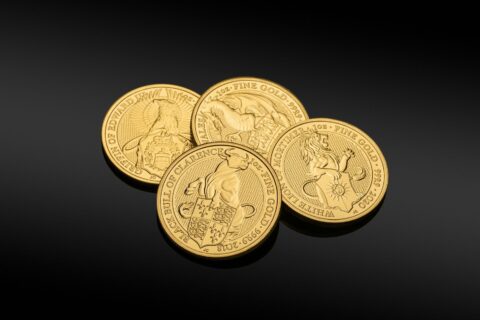
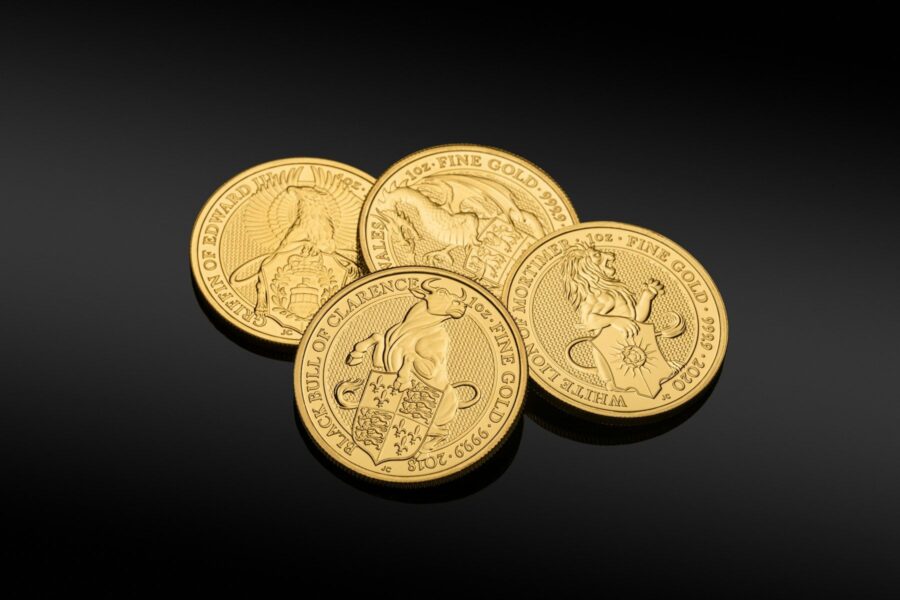
HMRC treats Sovereigns minted from 1837 and Britannia gold coins as sterling currency, so UK individuals pay no capital gains tax when they sell them. The real cost lies in the premium over the gold content and the gap between a dealer's selling and buy-back prices.
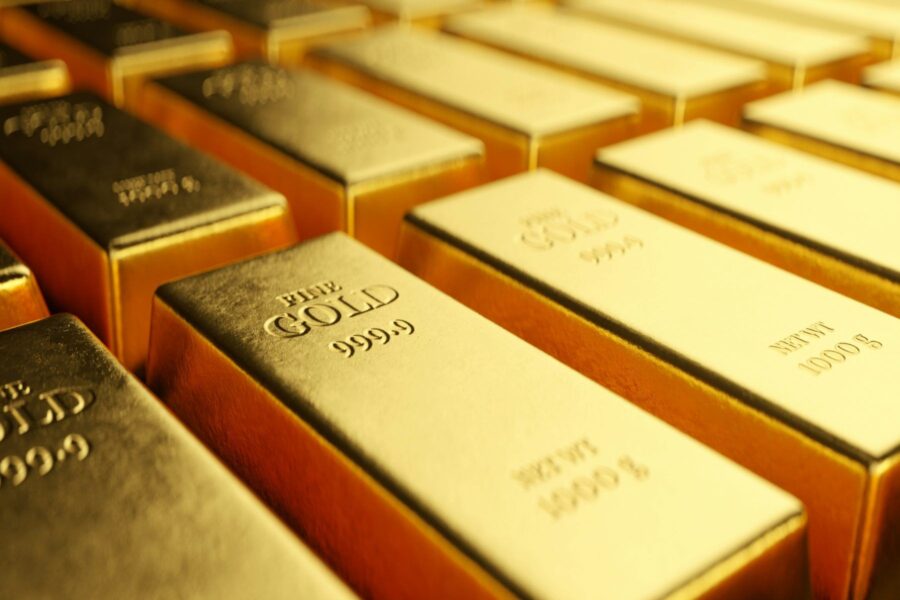
UK investors can own gold as coins or bars, as vaulted metal, through exchange-traded commodities or through mining shares and funds. The routes differ on cost, VAT, capital gains tax, ISA and SIPP eligibility and who you depend on if something fails.
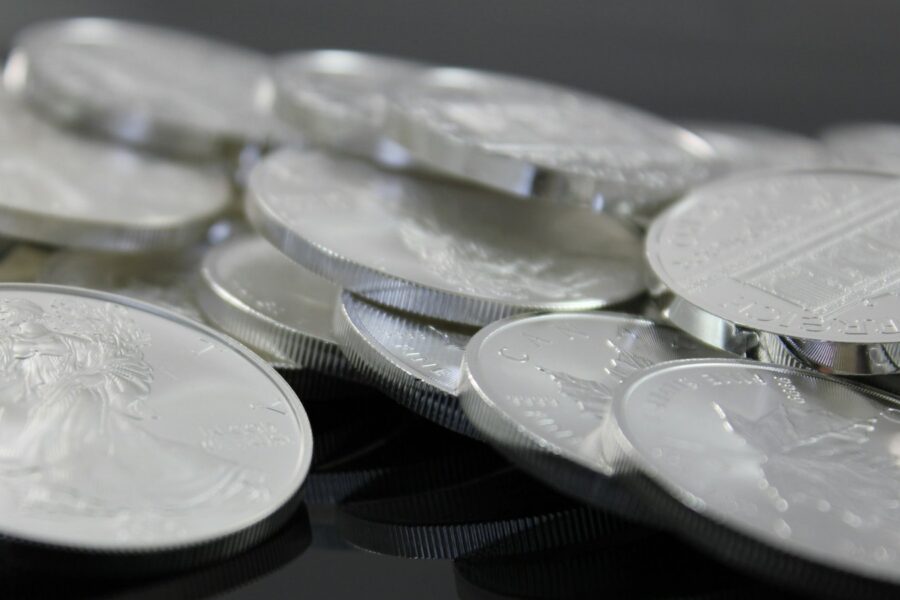
UK investors can hold silver as coins, bars, vaulted metal, exchange-traded commodities or mining shares. Physical silver bought in the UK carries 20% VAT, unlike investment gold, and the price is volatile: the Silver Institute says the annual average price rose 42% in 2025 and the metal hit an all-time high above US$121 on 29 January 2026.
US$4.4bn: what UK-listed gold ETFs took in during August 2026, their second-largest month on record. September added US$2.2bn, making July to September the UK's strongest quarter on record.
HMRC treats Sovereigns minted from 1837 and Britannia gold coins as sterling currency, so UK individuals pay no capital gains tax when they sell them. The real cost lies in the premium over the gold content and the gap between a dealer's selling and buy-back prices.
· 6 min read
TID Professional
The Gold & Commodities Professional room
Market view, vehicles and due diligence, regulation and tax for advisers and wealth managers. Free to verified professionals.