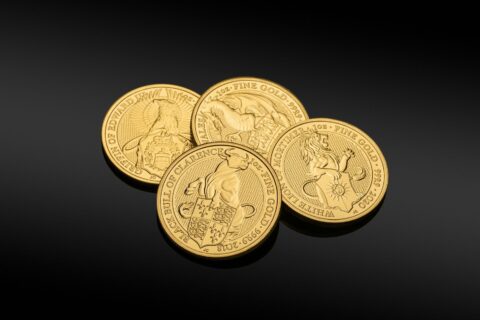
HMRC treats Sovereigns minted from 1837 and Britannia gold coins as sterling currency, so UK individuals pay no capital gains tax when they sell them. The real cost lies in the premium over the gold content and the gap between a dealer's selling and buy-back prices.
Offers to recover lost crypto for an upfront fee are a known follow-on fraud, often run by the same people as the first scam. Report to the police and your bank, and use the official routes that exist.
Short selling means selling borrowed shares and hoping to buy them back cheaper. The gain is capped at the sale price, the loss is not, and borrowing costs and dividends run against you every day the position is open.
From 6 April 2027, individual landlords in England, Wales and Northern Ireland pay income tax on rental profit at 22%, 42% or 47%, two points above the rates on earnings. Mortgage interest relief rises to 22% at the same time, so for most the extra cost is 2% of profit after interest.
From 6 April 2026 the dividend ordinary and upper rates rose 2 points, to 10.75% and 35.75%, while the additional rate stayed at 39.35% and the allowance at £500. That makes the wrapper matter more, alongside the old tests of dividend cover and yield traps.
A global tracker buys a world share index, so one fund can hold anything from about 1,250 to 4,200 companies. At 30 September 2026 the United States made up 62.28% to 72.94% of the three main world indices, so a global fund is mostly a US and dollar fund.
An index fund buys the holdings in a market index so its return follows that index, minus costs. Before buying, compare the total cost, how closely it has tracked, how it copies the index, the unit class and the tax wrapper.
In the 2026 to 2027 tax year up to £9,000 can go into a child's Junior ISAs, and the money belongs to the child, who can take control at 16 and withdraw it at 18. A pension, a bare trust or a parent's own ISA put the money in different hands at different ages.
SEIS gives UK taxpayers 50% income tax relief on up to £200,000 a tax year invested in new shares of very young companies, with capital gains and loss reliefs on top. The reliefs are generous because the risk is severe: most start-ups fail, and the shares are hard to sell.
Early-stage companies are among the riskiest things a private investor can own: most fail, the shares are hard to sell and any return can take many years. UK tax reliefs soften losses without removing them, and the FCA's crowdfunding rules are built around the risk of losing everything.
UK inflation was 3.1% in August 2026, enough to turn a taxed 4% savings rate into a real loss for higher-rate taxpayers. Index-linked gilts pay more as prices rise, with price risk and a 2030 index change attached.
On a £10,000 stake, SEIS relief cuts the money at risk to £5,000 and EIS relief to £7,000 before loss relief. If the company fails, an additional-rate taxpayer loses £2,750 net under SEIS and £3,850 under EIS: the reliefs change the size of the bet, not the odds.
Convertible loan notes and advance subscription agreements both let a start-up take money now and issue shares later, usually at a discount to the next round. The difference that matters to UK investors is tax: an ASA can qualify for SEIS or EIS if it meets HMRC's conditions, while shares from a converting loan generally cannot.
Global art sales rose 4% to an estimated US$59.6bn in 2025, but the growth sat at the top of the market and art pays no income. Fees on both sides of a sale, the artist's resale right and capital gains tax on works above £6,000 all cut into any gain, and selling can take time.
Casks of whisky are sold as investments with no FCA regulation, no published price list and no compensation scheme behind the buyer. The court, police and advertising record shows what goes wrong and what proper ownership papers look like.