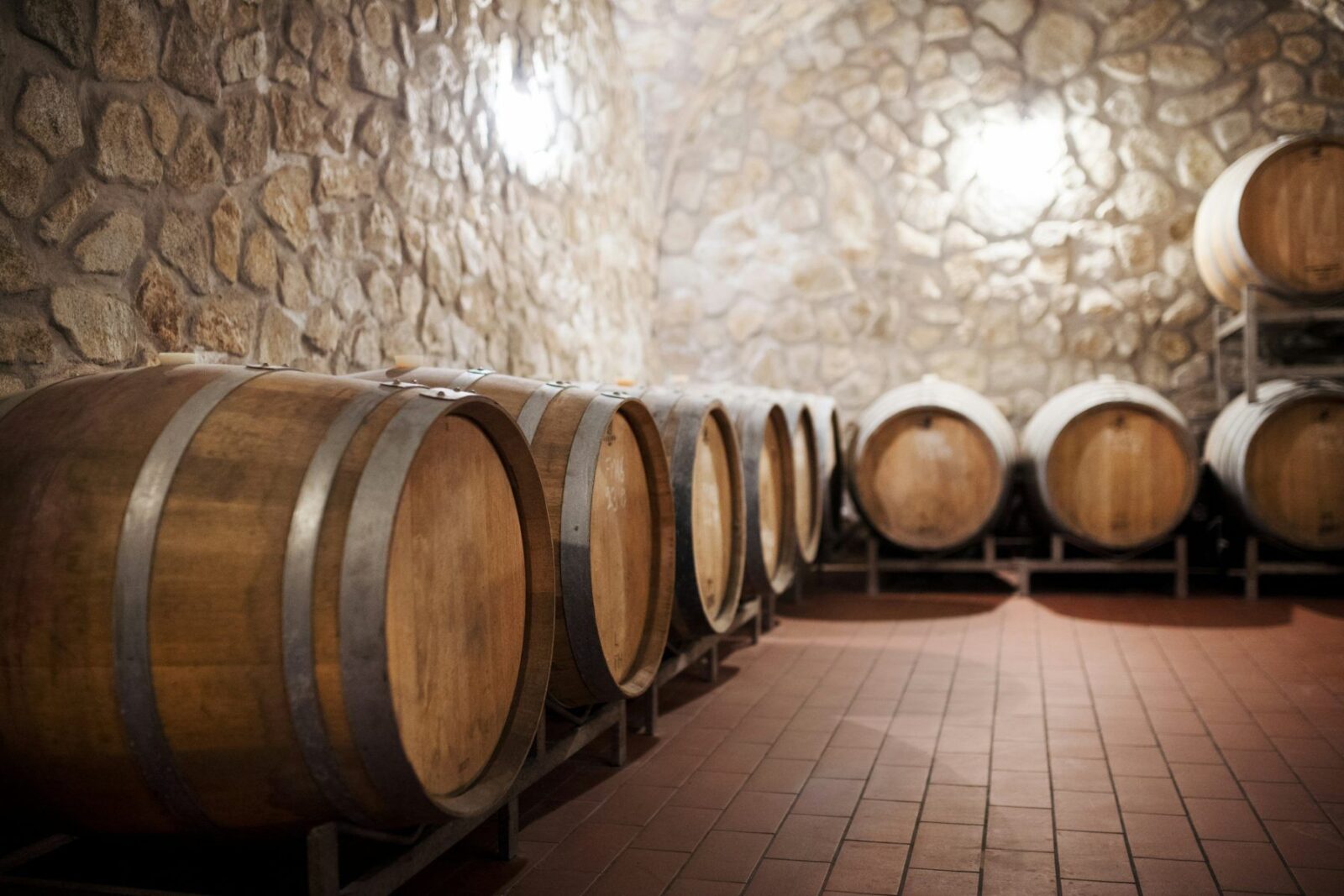
Whisky cask investment is unregulated, and the public record includes firms that sold casks buyers never legally owned. On 25 August 2026 the High Court wound up Cask Spirits Global Limited after the Insolvency Service found that only four of the 17 customers it identified, who had paid £97,249 between them, held valid ownership documents. Buyers have no FSCS or ombudsman protection, so the safeguard is paperwork: a contract naming a specific cask, and written confirmation from an HMRC-approved bonded warehouse that the cask is registered to you.
What the public record shows
| Date | Source | What it found |
|---|---|---|
| 25 August 2026 | Insolvency Service | Cask Spirits Global Limited wound up; four of 17 identified customers had valid ownership documents |
| 21 January 2026 | Advertising Standards Authority | Cask whiskey adverts quoting average returns of 8% to 18% a year ruled misleading; they also did not say the investment was unregulated |
| 8 October 2024 | Insolvency Service | Cask Whisky Ltd wound up; the liquidator found the company did not own the whisky its customers had bought |
| 30 November 2023 | City of London Police | 89 reports of alcohol investment fraud in 2023, with losses of more than £3m |
Cask Spirits Global
The Insolvency Service said the company used social media advertising, cold calls and high-pressure sales, promising substantial returns and tax advantages. One customer was promised returns of 120% to 150% and told his cask was in a bonded warehouse in Scotland; the warehouse denied any connection with the company. Some customers received certificates for casks that did not exist, others were registered in the company’s name rather than their own, and certificates named warehouses with no link to the firm. The company operated under the name “Cask Spirits Ltd” on its website and customer materials, although no such company exists at Companies House. It failed to provide 27 of 29 accounting documents requested. The Official Receiver is its liquidator.
Cask Whisky Ltd
After the High Court wound up Cask Whisky Ltd on 8 October 2024, the Official Receiver said in a customer update that the company was not the owner of the whisky held in bonded warehouses and had no interest in it. Customers who bought casks were the owners and were told to contact the warehouses directly. Some casks, however, were held under third-party company accounts. The case shows why it matters whose name a warehouse has on its records.
Police and advertising rulings
City of London Police reported 89 reports of alcohol investment fraud in 2023, as at its release of 30 November 2023, with losses of more than £3m. It said social media adverts promised annual returns of 8% to 12%, and that some terms and conditions left out fees charged later. The release also quotes the chair of the City of London Corporation committee that oversees trading standards in the Square Mile, who said whisky investments are not regulated by the FCA.
In January 2026 the ASA upheld complaints about adverts by Whiskey & Wealth Club Ltd, finding the return claims unsubstantiated because they ignored a buy-back service fee of between 2% and 5% and the effect of holding period, and that the adverts failed to say the investment was unregulated. That ruling concerned advertising, not fraud.
Why casks are usually unregulated
The FCA lists whisky among investments it does not regulate and warns that investors in such products won’t be protected if something goes wrong. The Scotch Whisky Association’s cask investment guidance says there is no regulated market for mature or maturing casks of Scotch, no officially published list of buying and selling prices, and no established mechanism for selling. Casks are traded mainly between blenders and distillers.
Structure can change the position. The FCA says that pooling money, even informally with friends or family, to invest in whisky casks can create a collective investment scheme without you realising it, and one not authorised by the FCA is an unregulated collective investment scheme, which it says investors should be prepared to lose all their money in. Either way, the buyer of a cask has no compensation scheme behind them.
What genuine ownership looks like
The Scotch Whisky Association’s guidance, published in April 2025, sets out what a buyer should hold. Use it as a checklist.
- A clear description of the whisky: malt or grain, the distillery, the year of distillation and a cask reference number.
- A receipt and a contract of sale giving the cask number, cask type (for example ex-bourbon or ex-sherry), the volume of contents, the warehouse and warehousekeeper, and the storage costs. The contract is your title.
- Recorded transfer: the warehousekeeper must record and acknowledge the transfer to you. Traditionally this was done with a delivery order, a document setting out the cask, signed by buyer and seller and delivered to the warehousekeeper. The association recommends making evidence that the warehousekeeper has registered you as owner a condition of the sale, because an unrecorded cask can be sold without your knowledge.
- An approved warehouse: Scotch must mature in an approved warehouse in Scotland. HMRC’s Spirit Drinks Verification Scheme runs a look-up service for verified production facilities, and the association advises checking that the warehousekeeper is registered with HMRC under the Warehousekeepers and Owners of Warehoused Goods Regulations 1999. The association notes that HMRC removed the requirement for owners of goods in excise warehouses to register in March 2025, but warehousekeepers may still check your identity.
- Restrictions: check any limits on moving the cask, on using the distillery’s trademarked name if you sell or bottle it, and on who may bottle it.
Contact the warehouse yourself, using details you have found independently, and ask it to confirm in writing that the cask exists and is registered to you.
The costs of owning a cask
| Cost | What it is | Source |
|---|---|---|
| Storage and insurance | Charged for every year the cask is in the warehouse; check that cover includes leaks | Scotch Whisky Association |
| Moving and regauging | Charges if the cask is moved under bond or its contents are measured | Scotch Whisky Association |
| Evaporation | Roughly 2% of the contents a year; strength also falls, and below 40% abv the spirit can no longer be bottled as Scotch | Scotch Whisky Association |
| Bottling | Single Malt Scotch must be bottled in Scotland, and finding a bottler willing to take a single cask can take effort | Scotch Whisky Association |
| Duty | £33.99 per litre of pure alcohol for spirits stronger than 22% abv, charged at the rate in force when bottles are dispatched to you | HMRC, from 1 February 2026 |
| VAT | 20%, added to the duty | Scotch Whisky Association |
| Selling | Broker or buy-back fees; one seller’s fee was 2% to 5% in an ASA case | ASA |
To give a sense of scale, at HMRC’s current duty rate a cask yielding 100 litres of pure alcohol, about 200 litres of spirit at 50% abv, would carry £3,399 of duty before VAT (our calculation). The Scotch Whisky Association notes that duty is charged at the rate in force when the bottles are dispatched, not when you bought the cask, so the purchase price is only the first outlay.
How to check a seller
- Search the company on Companies House. Check that the trading name on your paperwork matches the company you are paying, that accounts are filed and that its address is real.
- Check the FCA Warning List and search the ASA’s rulings for the firm’s name. A firm need not be on either list to be a risk.
- Treat projected returns, cold calls and social media adverts promising yearly returns as warning signs; the Scotch Whisky Association says any claimed return should be treated with caution.
- Check the offer price with the distillery, an established broker or a specialist auction house, as the association suggests.
- Never pay before you have the contract and the warehouse’s confirmation of registration in your name.
If you already own a cask
Ask the warehouse to confirm in writing that the cask exists and is held in your name. If the seller has gone into liquidation, deal only with the appointed liquidator through official channels. Expect follow-up approaches: buyers of failed alcohol investments have been targeted by recovery scammers, as our report on recovery scams explains. If you think you have been defrauded, report it to Report Fraud (in Scotland, Police Scotland on 101).
For the full set of checks, see our guide to spotting an investment scam. Our explainer on art as an investment covers another passion asset with high costs and thin markets.