Private investors buy gilts on the secondary market, through a platform, a broker or the DMO's own postal dealing service. Check the clean price, the accrued interest and the yield to maturity before you deal.
Gains on gilts are free of capital gains tax but coupons are taxed as income. A gilt with a small coupon, priced below £100, turns most of its return into the tax-free part.
The right comparison is what you keep after tax, and that depends on your tax band and your Personal Savings Allowance. Then weigh deposit protection against government credit, and a fixed term against a market price.
Money market funds hold short-term debt and aim to track money market rates, but they are investments, not deposits. From April 2027 a stocks and shares ISA can hold them only as part of a portfolio.
From 6 April 2027 interest earned on cash inside stocks and shares and innovative finance ISAs faces a flat 22% charge. The ISA manager pays it, nobody can reclaim it, and it applies at every age.
NS&I's prize fund rate is 4.35%, but that is an average and most holders get less. Set against gilts and fixed-rate savings, the comparison turns on your tax band and how much certainty you want.
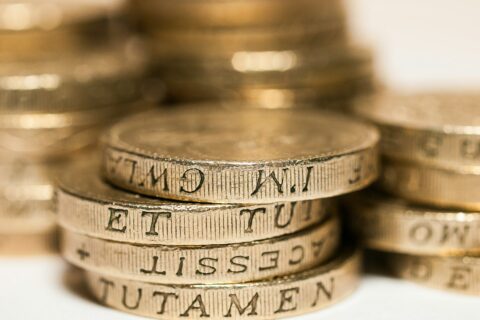
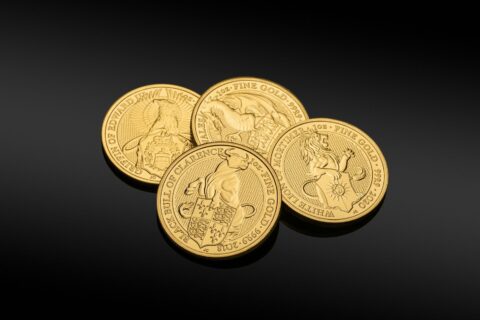
HMRC treats Sovereigns minted from 1837 and Britannia gold coins as sterling currency, so UK individuals pay no capital gains tax when they sell them. The real cost lies in the premium over the gold content and the gap between a dealer's selling and buy-back prices.
Offers to recover lost crypto for an upfront fee are a known follow-on fraud, often run by the same people as the first scam. Report to the police and your bank, and use the official routes that exist.
Short selling means selling borrowed shares and hoping to buy them back cheaper. The gain is capped at the sale price, the loss is not, and borrowing costs and dividends run against you every day the position is open.
From 6 April 2027, individual landlords in England, Wales and Northern Ireland pay income tax on rental profit at 22%, 42% or 47%, two points above the rates on earnings. Mortgage interest relief rises to 22% at the same time, so for most the extra cost is 2% of profit after interest.
From 6 April 2026 the dividend ordinary and upper rates rose 2 points, to 10.75% and 35.75%, while the additional rate stayed at 39.35% and the allowance at £500. That makes the wrapper matter more, alongside the old tests of dividend cover and yield traps.
A global tracker buys a world share index, so one fund can hold anything from about 1,250 to 4,200 companies. At 30 September 2026 the United States made up 62.28% to 72.94% of the three main world indices, so a global fund is mostly a US and dollar fund.
An index fund buys the holdings in a market index so its return follows that index, minus costs. Before buying, compare the total cost, how closely it has tracked, how it copies the index, the unit class and the tax wrapper.
In the 2026 to 2027 tax year up to £9,000 can go into a child's Junior ISAs, and the money belongs to the child, who can take control at 16 and withdraw it at 18. A pension, a bare trust or a parent's own ISA put the money in different hands at different ages.
SEIS gives UK taxpayers 50% income tax relief on up to £200,000 a tax year invested in new shares of very young companies, with capital gains and loss reliefs on top. The reliefs are generous because the risk is severe: most start-ups fail, and the shares are hard to sell.